
The Samadhi definition is the mind being completely absorbed in a single object of meditation. The mind can identify itself with the meditation object. In Samadhi, there is no mental and physical consciousness, no hearing or seeing, there is spiritual consciousness only. You can say this is a state where the mind experiences deep-rest. Sleep is not Samadhi as this is unconscious rest, Samadhi is a state of conscious rest. This Samadhi can be termed as super consciousness, supreme bliss and enlightenment.
Steps for achieving Samadhi:
Following the steps listed below you can reach the state of Samadhi.
1. Commit yourself to take a minute every day to accept that you are grateful and appreciate something. You do not need a long list, a single thing will do. In simple words, be grateful for the life you are leading as there is always a positive to negate the negative and it is advisable to concentrate on this positive.
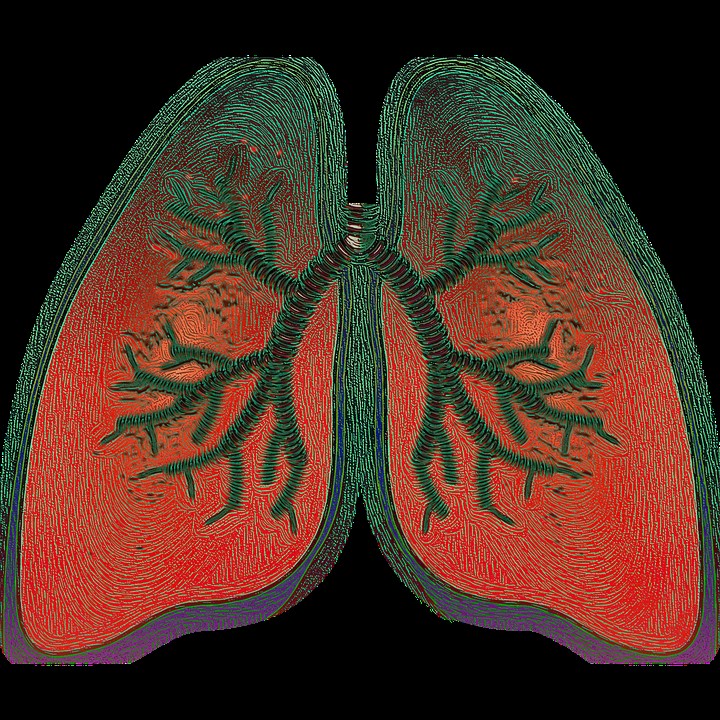
2. Pranyama also known as conscious breathing needs to be done every day so that you are aware of each breath you take. You need to understand that only our breath is the ‘present’ you experience. This can be done for only 5 minutes every morning. Make sure you focus on your breath and be aware of the different vibrations. This can calm your mind totally.
3. Samadhi also means self-realization, which means, knowing yourself better. This is accepting yourself for where you are at present. Learn to respect and accept yourself so that you can do the same with others.
4. According to the yoga sutra, it is important to relax and make less of an effort and meditate on all the energy within you. In simple words, you need to slow down and try to stay in the flow of your life.
5. It is important to do things that can feed your mind as Samadhi is equality. You need to feed your emotions and your soul.
In order to contemplate Samadhi you need to meditate in a seated posture like Easy Pose or the Lotus Pose.
Two Stages of Samadhi:
Samadhi has two stages, Sabikalpa and Nirbikalpa. Sabikalpa is a state of oneness conditioned. The mediator can experience the merger between the soul and the infinite consciousness. This state cannot be preserved outside the meditation. Sabikalpa is the initial break from delusion where the mediator realizes that the soul is bound by the ego and only God exists. There are few souls who tend to return to delusion from this state if they hold on to the delusion that they have infinite power. Nirbikalpa is unconditioned oneness. Here the soul can rise above the bondages of the ego and can realize that it is only one with God eternally. It is jeevanmukta. In order to achieve this total liberation from the involvements of the ego the soul needs to go through the different memories of attachments of the ego. There is no way the soul can return to delusions.







Recent Comments